Lighting: Setting the Mood
True architectural beauty is revealed not by flooding a space with light, but by tactically withdrawing it. The interaction between a primary light source and the resulting darkness dictates the emotional resonance of a room.
The Philosophy of Shadows
Borrowing from the concepts outlined in traditional Japanese aesthetics, such as those discussed in Jun'ichirō Tanizaki's *In Praise of Shadows*, we advocate for the beauty of subdued, indirect lighting. Harsh overhead lighting is the enemy of coziness. It flattens textures and exposes a room indiscriminately.
Practical Implementation
To cultivate an emerald pavilion aesthetic, begin by eliminating central ceiling fixtures. Rely instead on:
- Noguchi Lanterns: Paper diffusers that create a soft, omnidirectional glow.
- Low-Level Task Lighting: Desk lamps and reading lights positioned at eye-level or lower to ground the space.
- Directional Spotlights: Used sparingly to highlight textured walls or specific architectural features.
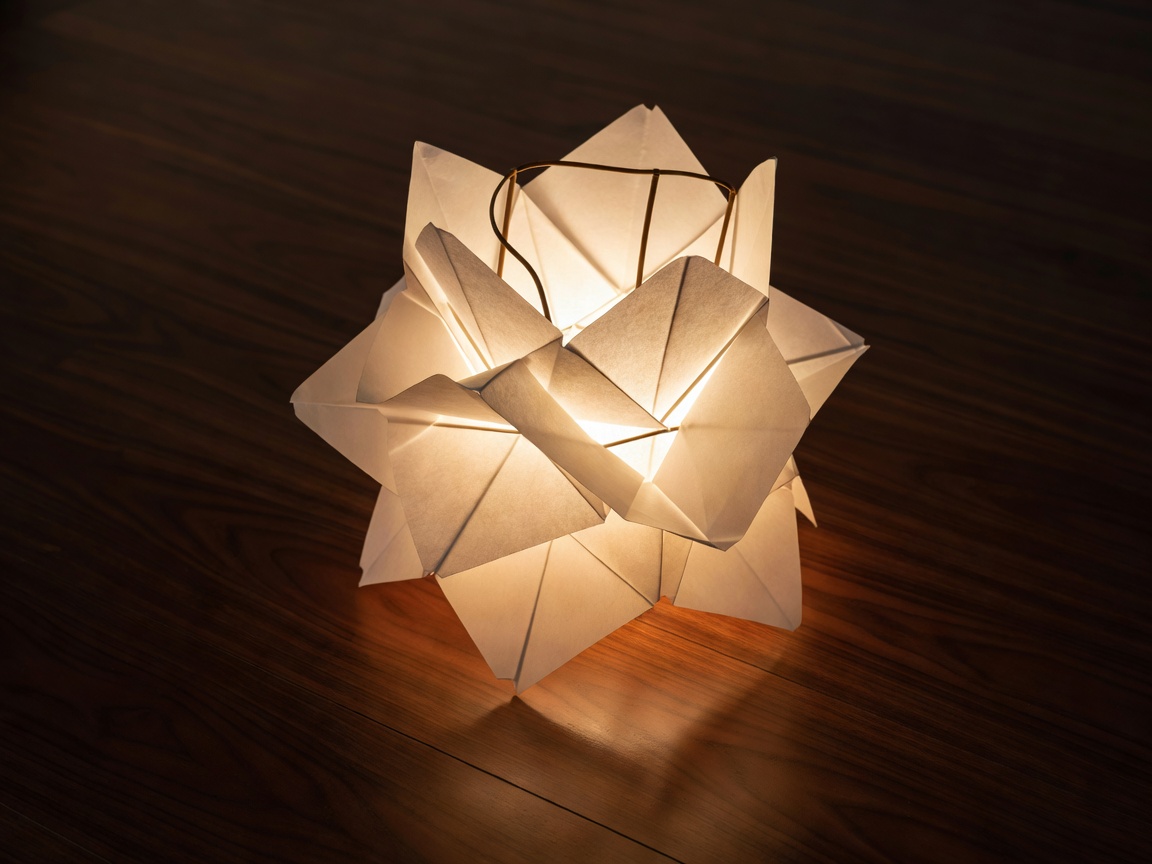
When selecting bulbs, warmth is paramount. Aim for color temperatures between 2200K and 2700K. This mimics the archaic comfort of firelight, signaling to the nervous system that the day's external labors are concluded and the pavilion is secure.